Henan Aifite Intelligent Equipment Co., LTD.


Products

Crane Cable Pulleys: the "invisible veins" under the feet of giants
Classification:
Product Introduction
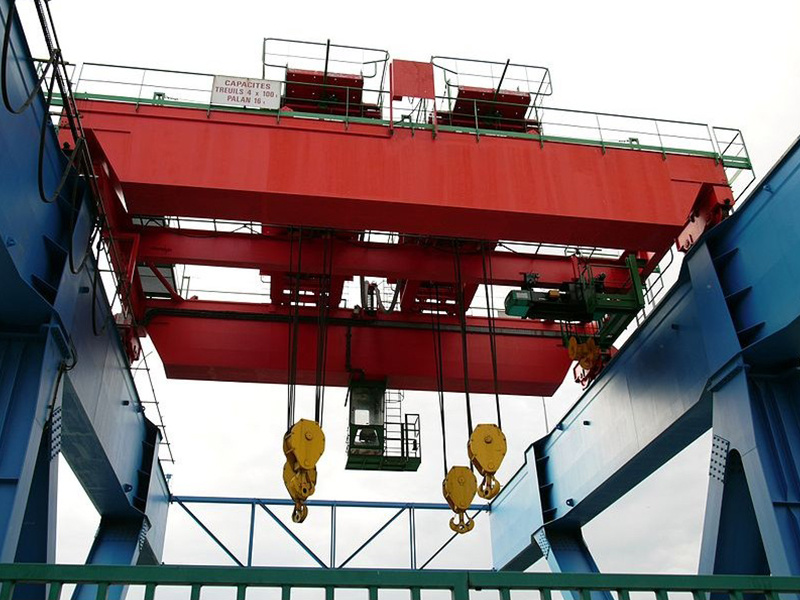
Beneath gantry cranes at port terminals and beside overhead cranes in heavy factories, bright yellow steel giants precisely lift tons of weight. Few notice that behind these giants' "ease of movement" lies a network of cables dangling like black veins. The crane's cable pulleys are the key to keeping these cables in line, the "electrical chord" that keeps these industrial giants running.

Decoding the Structure: Power Supply Intelligence with Millimeter-Level Precision
The core of a cable pulley is the golden triangle of "track + wheels + pallet":
The wheels act as the pulley's "feet." Nylon wheels are quiet and wear-resistant, suitable for light-load applications; cast steel wheels are strong and durable, allowing them to operate swiftly even under heavy-load conditions at ports.
The track: The wrapped C-rail design creates a safe passage for the cables, preventing rain, snow, and dust from entering. The I-beam track's "I"-shaped structure distributes pressure, ensuring greater stability even over long spans.
The pallet: The multi-layer design acts like a "cable accordion." When the crane moves laterally, the pallet drives the cables to expand and contract, preventing entanglement and reducing friction and wear.
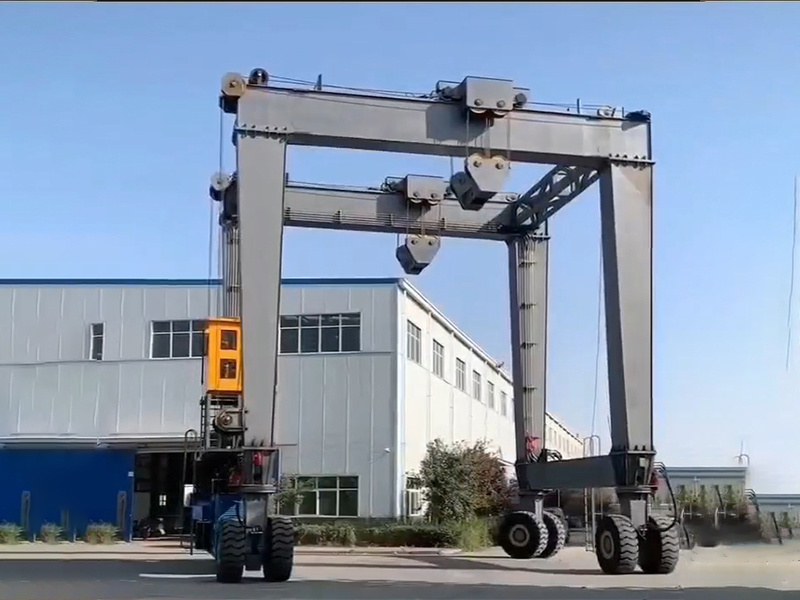
Take a port gantry crane as an example. An RTG (tired gantry crane) requires both power and control signal transmission. The double-layer pallet design allows for separate housing for power and signal cables. Even when the crane moves tens of thousands of meters daily, the cables remain organized.
Selection and Maintenance: Keeping the "veins" unbroken
Choosing the right pulley provides a double insurance policy for your cable:
Consider the load: Total cable weight (including sheath) 80 kg? Choose a 100 kg medium-load model, leaving a 20% margin for added safety.
Consider the environment: For chemical plants, choose corrosion-resistant 316 L stainless steel rails; for low-temperature environments in northern China, choose nylon wheels with a cold-resistant coating.
Consider the details: The anti-twist support plate is suitable for multiple cables running in parallel, and the bottom shaft design reduces rail wear.
Maintenance is also crucial: Check the running wheel wear monthly (wear > 3 mm requires replacement), clean the rails quarterly, and lubricate the bearings annually. One steel plant has reduced its pulley failure rate by 70% through a two-pronged approach of "regular maintenance + intelligent early warning."
Keyword:
Previous Page:
Feedback
Leave a message online and get the product quotation free of charge. We will arrange the specialist to contact you as soon as possible.



It founded in the 2000s, It has a history of about 20 years. We own a professional produce team,sales team and a after-sale service team, which can make sure satisfy your whole purchase procedure.
Contact Us
Whatsapp:8613507096268
E-mail:sales@aifitemhe.com
Weizhuang, Changyuan,Xinxiang city, Henan province, China