Henan Aifite Intelligent Equipment Co., LTD.


Products

Crane Cable Pulley
Classification:
Product Introduction
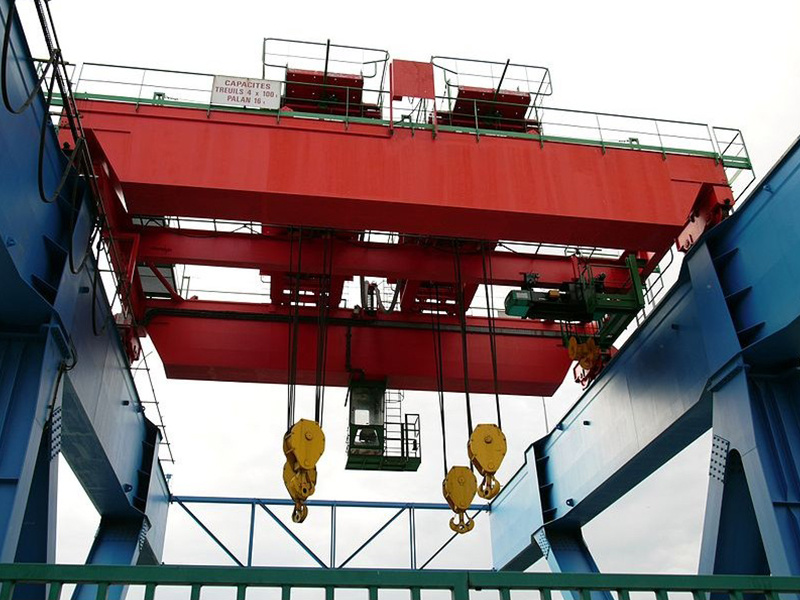
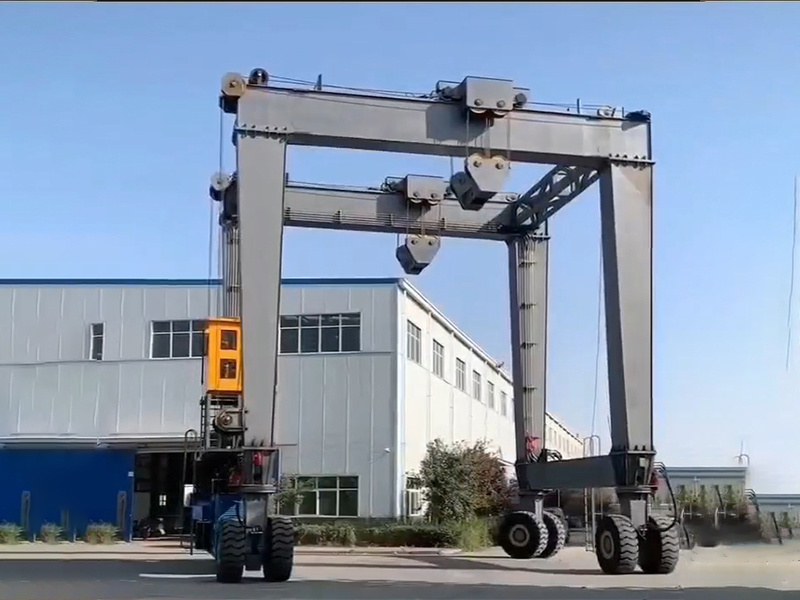
The precise loading and unloading of port gantry cranes, the heavy lifting of factory overhead cranes, and the flexible operation of automated production lines all rely on a hidden hero: the crane cable pulley. This "power supply line" for mobile equipment ensures that heavy machinery, such as overhead cranes and gantry cranes, receive a steady supply of power during long-span maneuvers. Its innovative design overcomes traditional power supply challenges, making it an indispensable core component in industrial applications.

Decoding the Structure: The Sophisticated Logic Within a "Small Body"
The cable pulley may appear simple, but it's actually a sophisticated combination of mechanics and electricity:
Core Components: It consists of a "triangle" of wheels, brackets, and pallets. The wheels (cast steel or nylon) glide smoothly on the I-beam or C-rail, the brackets provide stable support, and the pallets securely secure the cables. These three components work in sync to ensure "power follows the equipment."
Load Classification: Based on load capacity, it is categorized into light (≤50 kg), medium (≤100 kg), and heavy (≤150 kg) load types. Wheel diameters are Φ50, Φ63, and Φ80 mm, respectively, to accommodate cranes of varying tonnages.
Multi-Layer Design: The pallet can be customized with single, double, or triple layers to accommodate the parallel routing of multiple cables. For example, when a port gantry crane requires both power and control signal transmission, a double-layer pallet allows power and signal cables to run their own separate routes.
Scenario Adaptation: The "Power Steward" of Industrial Giants
The application of cable pulleys has transcended a single field and has become an essential power supply requirement in multiple scenarios:
Port logistics: Rubber-tyred gantry cranes (RTGs) and rail-mounted container gantry cranes (RMGs) rely on cable pulleys for flexible power supply between the yard and the quay crane. After adopting C-type rail pulleys at one automated port, equipment failure rates dropped by 40%, saving over one million yuan in annual operation and maintenance costs.
Heavy manufacturing: In the hoisting workshops for ultra-heavy equipment such as wind turbine towers and tunnel boring machines, heavy-duty pulleys (with 80 mm Φ wheels) easily carry 150 kg of cables. The double-layer pallet design prevents interference between power and control cables, ensuring precise hoisting.
Smart production lines: Lightweight pulleys (with 50 mm Φ wheels) in automated conveyor lines and manipulators, with millimeter-level sliding accuracy, ensure zero power interruptions for AGVs and collaborative robots during high-speed operation, increasing production line efficiency by 20%.
Keyword:
Previous Page:
Feedback
Leave a message online and get the product quotation free of charge. We will arrange the specialist to contact you as soon as possible.



It founded in the 2000s, It has a history of about 20 years. We own a professional produce team,sales team and a after-sale service team, which can make sure satisfy your whole purchase procedure.
Contact Us
Whatsapp:8613507096268
E-mail:sales@aifitemhe.com
Weizhuang, Changyuan,Xinxiang city, Henan province, China