Henan Aifite Intelligent Equipment Co., LTD.


Products

Product Introduction
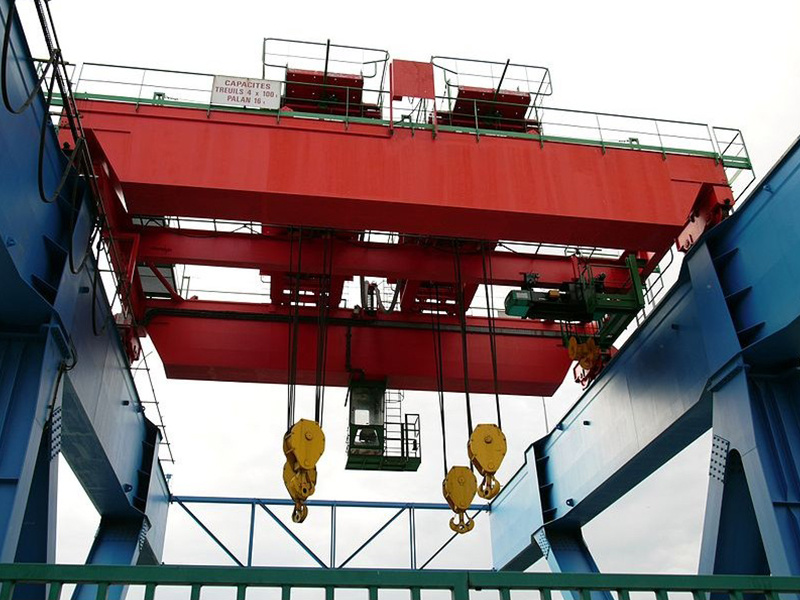
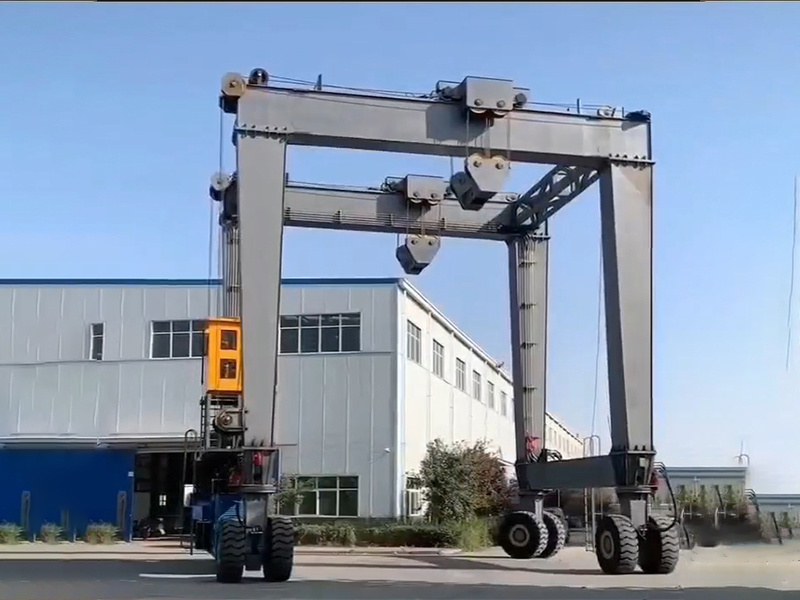
At the port in the early morning, the first rays of sunlight swept across the container yard. A rail-mounted gantry crane (RMG) slowly started up, its massive steel arm precisely lifting a 60-ton container and dropping it steadily onto the cargo ship. Behind this smooth operation lies a pair of "iron feet": the drive wheels of the RMG. Carrying thousands of tons of weight, they move with millimeter-level precision on the rails, acting as the silent yet crucial "powerhouse" of global logistics.

Structure and Materials: The Hard-Core Gene of "Iron Footplates"
The design of the drive wheel is a concentrated expression of the "art of mechanics":
The hub: The load-bearing core, made of ZG35CrMo cast steel, undergoes a "quenching and high-temperature tempering" process, achieving a hardness of HB 240-280 and impact resistance comparable to tank tracks.
The rim: The "sole" that directly contacts the rails, achieves a hardness exceeding HRC 50 after surface quenching. The wear-resistant layer is 5 mm thick, extending its lifespan three times that of ordinary cast steel wheels under the high-wear conditions found at ore terminals.
The bearing: The "joint" of the drive wheel, featuring double-row spherical roller bearings (such as the 23230 CA model), can withstand radial loads and axial movement. Combined with a labyrinth seal, it offers a "five-year maintenance-free" lifespan, even in salt-spray ports. Machining precision demonstrates its expertise: CNC lathes achieve a wheel rim roundness tolerance of ≤0.1 mm, equivalent to 1/5 the diameter of a human hair, completely eliminating the risk of "rail gnawing" (unilateral wear of the track). After the renovation of an automated terminal, the track replacement cycle was extended from one year to five years, saving millions in annual costs due to this alone.
Keyword:
Previous Page:
Feedback
Leave a message online and get the product quotation free of charge. We will arrange the specialist to contact you as soon as possible.



It founded in the 2000s, It has a history of about 20 years. We own a professional produce team,sales team and a after-sale service team, which can make sure satisfy your whole purchase procedure.
Contact Us
Whatsapp:8613507096268
E-mail:sales@aifitemhe.com
Weizhuang, Changyuan,Xinxiang city, Henan province, China