Henan Aifite Intelligent Equipment Co., LTD.


Products

Crane hooks: The "weight-bearing hand" of a steel giant, the last line of defense for lifting safety.
Classification:
Product Introduction
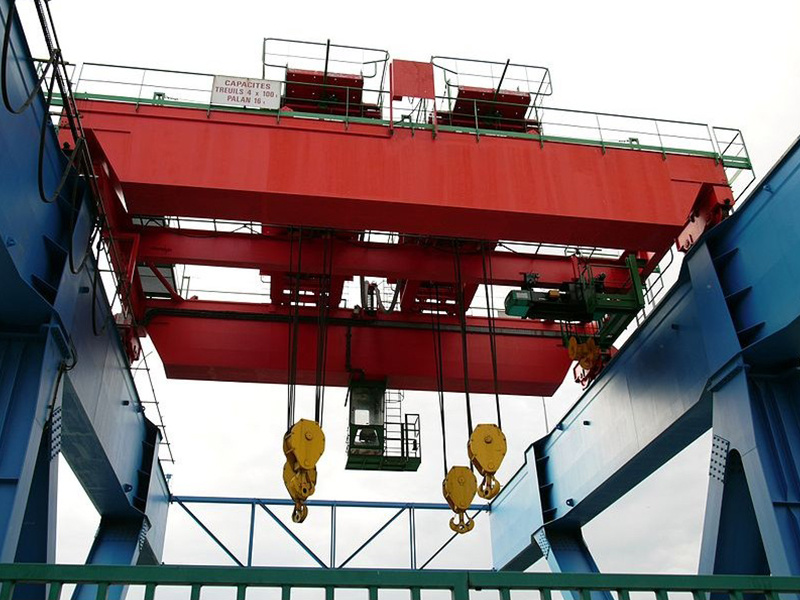
At the container yard of a port terminal, the hook of a quay crane precisely hooks a 40-foot container and lifts it smoothly. In the raw material workshop of a steel plant, the overhead crane hook, like the hand of a steel giant, steadily lifts a hundred-ton steel coil. The crane hook, the terminal actuator of this "heart of steel," is the key hub connecting machinery and heavy objects during lifting operations, and it is also the "safety gate" that protects life and property.

Technical Parameters:
| Rated load | 0.5 t-500 t |
| Safety factor | 3-5 times |
| Hook opening | 50 mm-1500 mm |
| Tensile strength | 800-1200 MPa |
| Yield strength | 600-900 MPa |
Decoding the Structure: A "Mechanical Artwork" Refined Through Thousands of Trials
The hook's design represents a pinnacle fusion of materials science and mechanics:
Material Selection: Alloy steels such as 20MnSi and 35CrMo are standard. After a "quenching and tempering" process, they achieve a strength exceeding 1000 MPa (equivalent to withstanding 100 kg of pressure per square millimeter). A wind turbine hoist hook (made of 35CrMo) maintains toughness even in extreme temperatures of -40°C, preventing "cold brittle fracture."
Forging Process: The die-forged hook boasts continuous internal grain lines and impact resistance three times greater than cast parts. The open-die forging process is suitable for ultra-large tonnage hooks (such as 1000-ton shipbuilding hooks). Water immersion testing detects internal defects with a 99.9% pass rate.
Anti-slip Design: A tongue-type and spring-loaded anti-slip device acts as a "safety lock," preventing the load from falling during bumpy conditions. The anti-drop tongues on port hooks must pass a test of 1.5 times the rated load to ensure flawless container lifting.
The dangerous section: The hook's "lifeline"—if wear exceeds 10%, the hook must be scrapped. A steel mill once ignored this indicator, resulting in a broken hook and the fall of hundreds of tons of steel coils, resulting in direct losses exceeding 10 million yuan.
Keyword:
Previous Page:
Feedback
Leave a message online and get the product quotation free of charge. We will arrange the specialist to contact you as soon as possible.



It founded in the 2000s, It has a history of about 20 years. We own a professional produce team,sales team and a after-sale service team, which can make sure satisfy your whole purchase procedure.
Contact Us
Whatsapp:8613507096268
E-mail:sales@aifitemhe.com
Weizhuang, Changyuan,Xinxiang city, Henan province, China